
Common First Aid Myths (and what you should do instead) Part 2
Posted on: 5th August 2026
Common First Aid Myths (and What You Should Do Instead) – Part 2
Some first aid myths have been around for generations. Others have become popular through films, television programmes or social media. The problem is that following outdated or incorrect advice could make an injury worse or delay someone from receiving the treatment they really need.
In Part 1 of our First Aid Myths series, we looked at some of the most common misconceptions about treating injuries and medical emergencies.
All good things deserve a sequel so now we're back with even more myths that deserve to be put to rest.
Here are eight more common first aid myths — and what you should do instead.
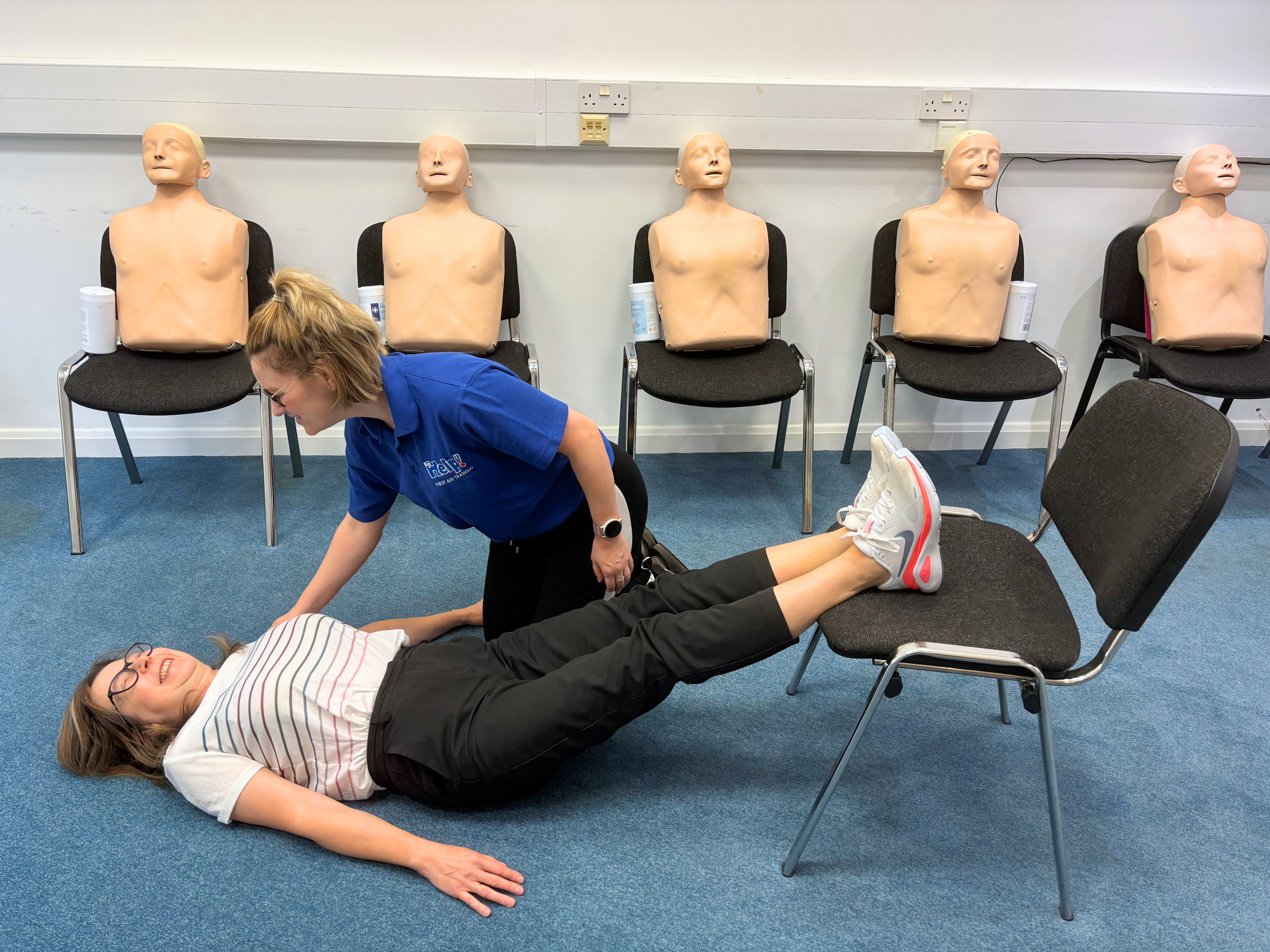
1. If you feel faint, put your head between your knees
Many of us have seen this in films and TV programmes, but it's no longer considered the safest advice.
If you faint while sitting with your head between your knees, you could easily fall forwards, hitting your face or head and causing additional injuries.
What you should do instead
Lie the person flat on their back and, if possible, raise their legs slightly. This helps encourage blood flow back to the brain and may help them recover more quickly.
If appropriate, loosen any tight clothing, allow fresh air to circulate and encourage them to remain lying down until they feel fully recovered. They should avoid standing up too quickly.
2. Someone having a seizure could swallow their tongue
This is one of the most common first aid myths, but thankfully it isn't true. It is physically impossible to swallow your tongue.
Trying to hold someone's tongue or restrain them during a seizure could actually cause injuries to both you and the casualty.
What you should do instead
Protect them from injury by moving any nearby hazards.
Do not restrain their movements.
Time how long the seizure lasts.
Stay with them and offer reassurance once the seizure has stopped.
When they are breathing normally again, place them in the recovery position.
If the seizure lasts longer than five minutes, repeats without recovery, or it is their first seizure, call 999 immediately.
For more information, read our guide, First Aid for Seizures.
3. You should squeeze a bee sting to remove it
Many people instinctively pinch or squeeze a sting, but this can actually force more venom into the skin.
What you should do instead
Remove the sting as quickly as possible by gently scraping it away using:
the edge of a bank card or similar card
your fingernail
After removing the sting, wash the area with soap and water and apply a cold compress to help reduce pain and swelling.
Read our Bites and Stings First Aid Guide for more advice.
4. Never move someone with a suspected spinal injury
Generally, this is good advice. However, there are important exceptions.
If someone is in immediate danger, leaving them where they are could put their life at greater risk than moving them.
For example:
there is a fire
rising water or another immediate hazard
their airway is blocked
they are unconscious and vomiting
As Graham often tells learners on our first aid courses:
"There's no advantage in having a perfect spine if you're unable to breathe."
What you should do instead
Only move someone with a suspected spinal injury if it is necessary to protect their life.
If you need advice, call 999 immediately and follow the guidance given by the Emergency Call Handler.
There are techniques for managing the airway of someone with a suspected spinal injury, but these should only be carried out if you have received appropriate training or are being guided by a healthcare professional.
5. A heart attack and a cardiac arrest are the same thing
Although people often use these terms interchangeably, they are very different medical emergencies.
A heart attack happens when the blood supply to the heart muscle is cut off. One of the main causes of this is a clot in one of the coronary arteries. The heart will still be pumping blood around the body during a heart attack, and the person will usually be conscious and breathing.
A heart attack can lead to a cardiac arrest, as the risk of ventricular defibrillation is higher – this is when the heart fibrillates, or quivers, rather than pumps.
A cardiac arrest occurs when the heart’s electrical system stops working, meaning it stops pumping blood effectively. This will lead to the person losing consciousness and their breathing becoming erratic or stopping altogether.
What you should do instead
If you suspect either a heart attack or a cardiac arrest;
Call 999 immediately.
Ask someone to retrieve the nearest defibrillator (AED).
Follow the Emergency Call Handler's advice.
If the casualty becomes unconscious and is not breathing normally, start CPR immediately.
Read our guide, Why Heart Health and and CPR Training Matter for more advice.
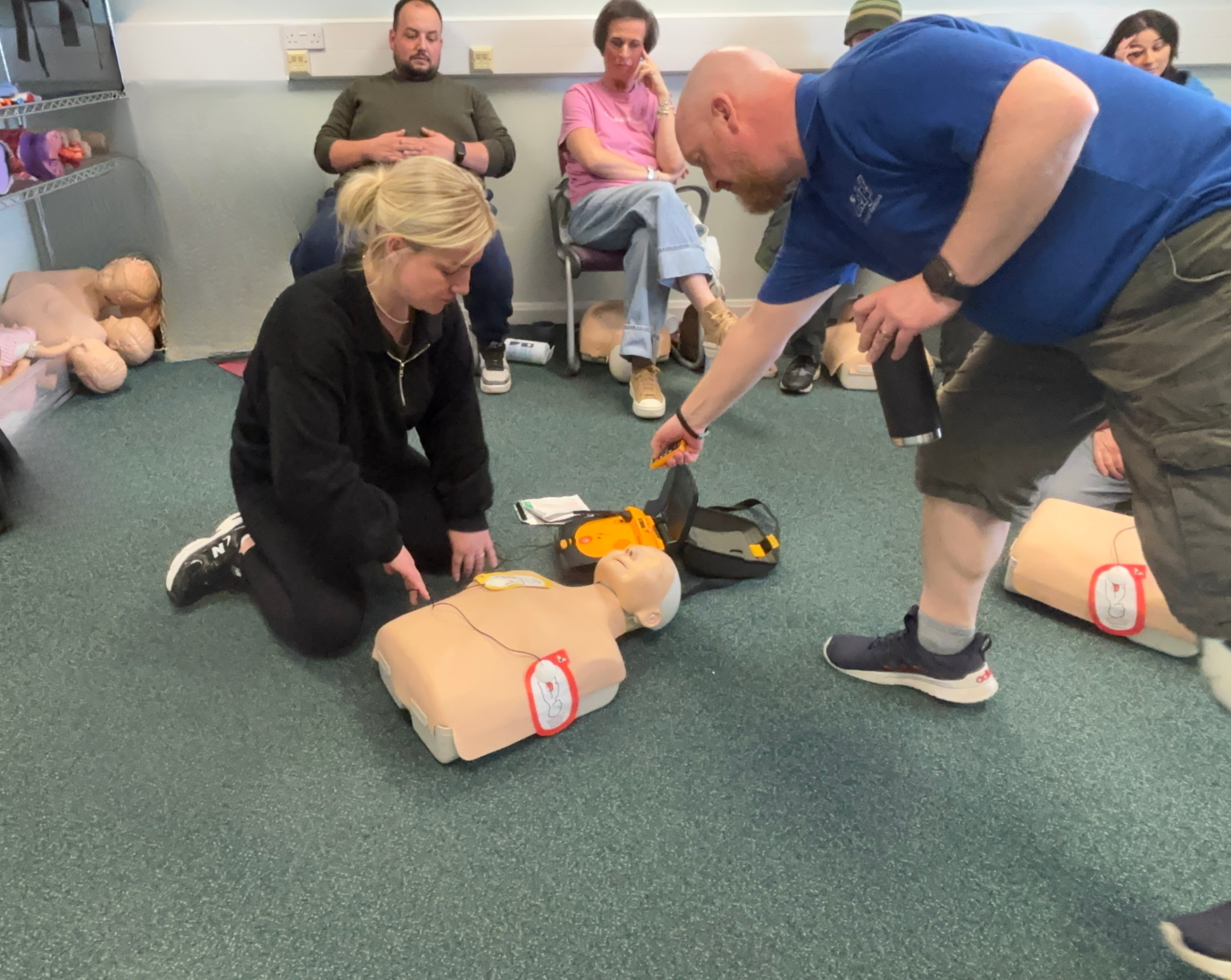
6. You must be trained to use a defibrillator
This is another common myth that can stop people from helping.
Modern automated external defibrillators (AEDs) are designed to be used by members of the public. They provide clear spoken and visual instructions throughout the rescue and will only deliver a shock if one is needed.
You do not need formal training to use a defibrillator in an emergency.
What you should do instead
If someone is in cardiac arrest:
Call 999 immediately.
Send someone to collect the nearest AED.
Switch it on and follow the spoken instructions.
Continue CPR as directed until the ambulance arrives.
Although anyone can use an AED, attending a Defibrillator Competent User course or a First Aid course allows you to practise using one in a realistic environment. This helps build confidence, reduces panic during a real emergency and gives you the opportunity to ask questions and learn from an experienced first aid instructor.
Our guide Defibrillator Myths Debunked offers more guidance on this subject.
Know the facts – learn first aid with Help! First Aid Training
Knowing what not to do is just as important as knowing the correct first aid treatment. Outdated advice and well-meaning myths can sometimes delay lifesaving care or make an injury worse.
Learning evidence-based first aid from qualified instructors gives you the confidence to act quickly and safely when someone needs your help.
At Help! First Aid Training, our practical first aid courses are delivered by experienced instructors and follow the latest guidance from the Resuscitation Council UK and the Health and Safety Executive (HSE), giving you the knowledge and confidence to respond in a real-life emergency.
Whether you're looking to become a workplace First Aider, renew your certificate or learn Paediatric First Aid, Help First Aid Training delivers engaging, practical courses across County Durham, Darlington, Newcastle, Sunderland and the wider North-East.
Contact our friendly team today to find the right course for you or your organisation.
We run regular open courses at our training facility in the Shildon Business Centre in County Durham, and we can also deliver onsite training at your location.
Email: info@helpfirstaidtraining.co.uk
Call us: 01388 417303
Website: www.helpfirstaidtraining.co.uk
Related News

First Aid for Mental Health Training: Supporting Positive Mental Health in the Workplace
A positive approach to workplace mental health can benefit both employees and organisations by helping to create a more supportive, understanding and resilient workforce.

How Many First Aid Kits Does My Workplace Need?
How many first aid kits does your workplace need? What should be in them? Where should they be kept? And how often should they be checked?

The Benefits of an In-Person First Aid Training Course
We explore why attending an in-person first aid course remains the best value for money option and still offers the most positive learning experience.